
Endings
Everything that Ends doesn't Explode


Before we dive into today’s essay, first things first, I am going on tour again! I can’t wait to see you all. It’s going to be a wonderful time. You can grab your seats below.
Second, if you pre-ordered TCWK already, don’t forget to enter your info at the link below to get a little gift from me that includes a live virtual gathering and conversation with me in April!
Third, I’m reading this essay so feel free to listen. Reading begins at timestamp: 2:07.
We don’t talk enough about friendships that end without implosion.
No argument.
No betrayal.
No moment where someone gets exposed or dragged or declared the problem.
Just an understanding that settles in your body: this doesn’t work the way it used to.
That kind of ending can mess with your head because it doesn’t give you a clean story. There’s nothing to rehearse. No side to take. No moment you can point to and say, this is when everything changed.
But here’s what I’ve learned:
Every ending isn’t a reaction based on hurt.
Some are a decision rooted in clarity and care.

There are friendships that don’t fall apart—they just reach their capacity. They hold what they can, for as long as they can, and then they stop expanding. You feel it when conversations start requiring a little more strategy than honesty. When you’re managing the dynamic instead of participating in it. When you leave interactions feeling off, even if nothing “bad” happened.
That feeling, it matters.
Here’s the part we don’t say out loud:
Your discomfort doesn’t need to escalate into damage to be valid. You don’t have to wait until you’re resentful, depleted, or disconnected from yourself to choose differently. Paying attention sooner is not avoidance—it’s what self-trust looks like.
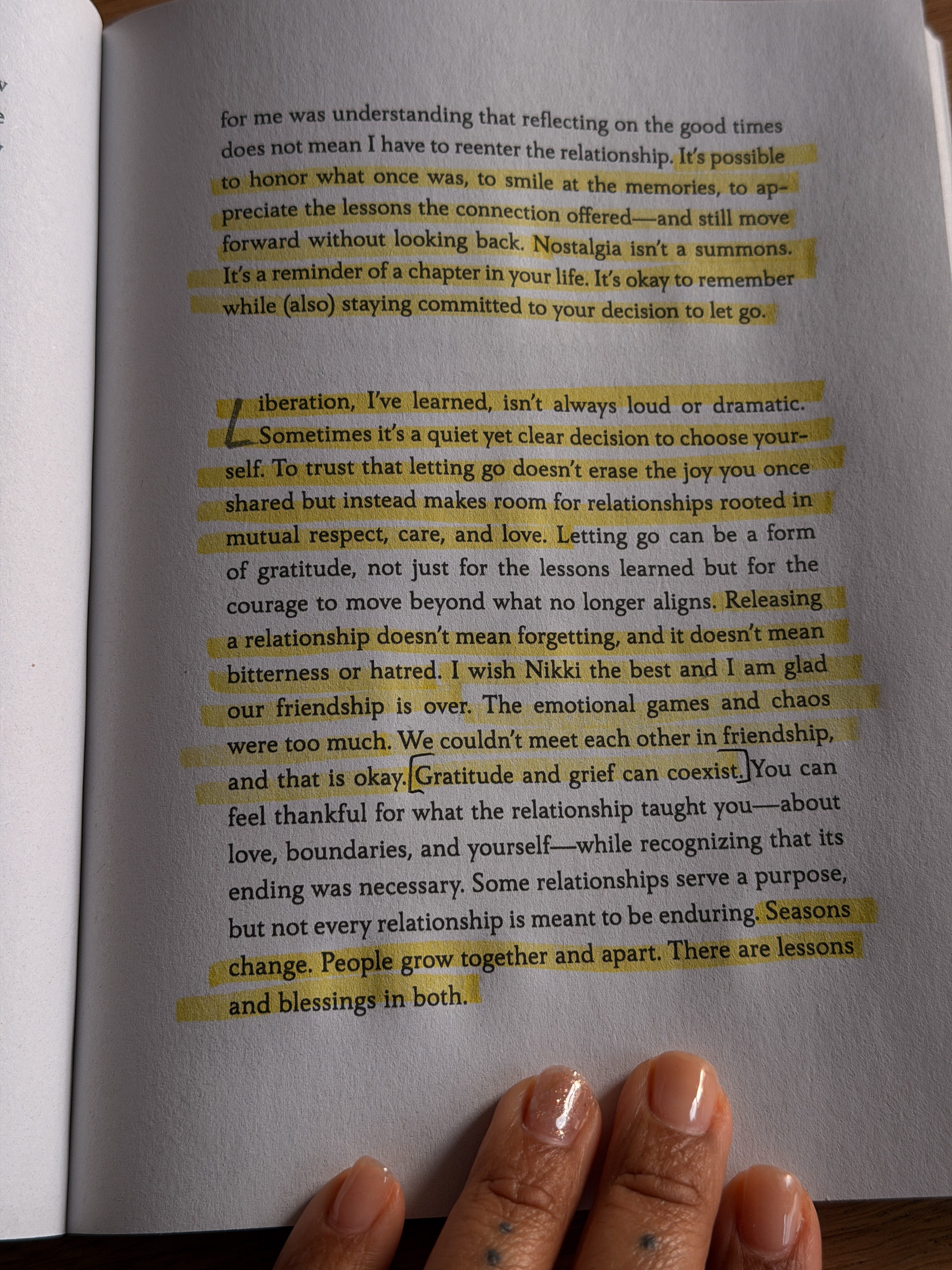
We don’t always examine why we stay. Sometimes it’s history. Sometimes it’s habit. Sometimes it’s the fear of being misunderstood, labeled as difficult, or even worse, being labeled as difficult in someone else’s story. Sometimes it’s because we’ve been taught that care means endurance.
But, here’s the thing: Self-respect asks us very different questions.
It asks:
Am I able to be honest here without consequence?
Does this relationship make room for who I’m becoming—or only who I’ve been all these years?
Am I choosing this connection, or just maintaining it?
These questions aren’t harsh. If anything, they’re clarifying.
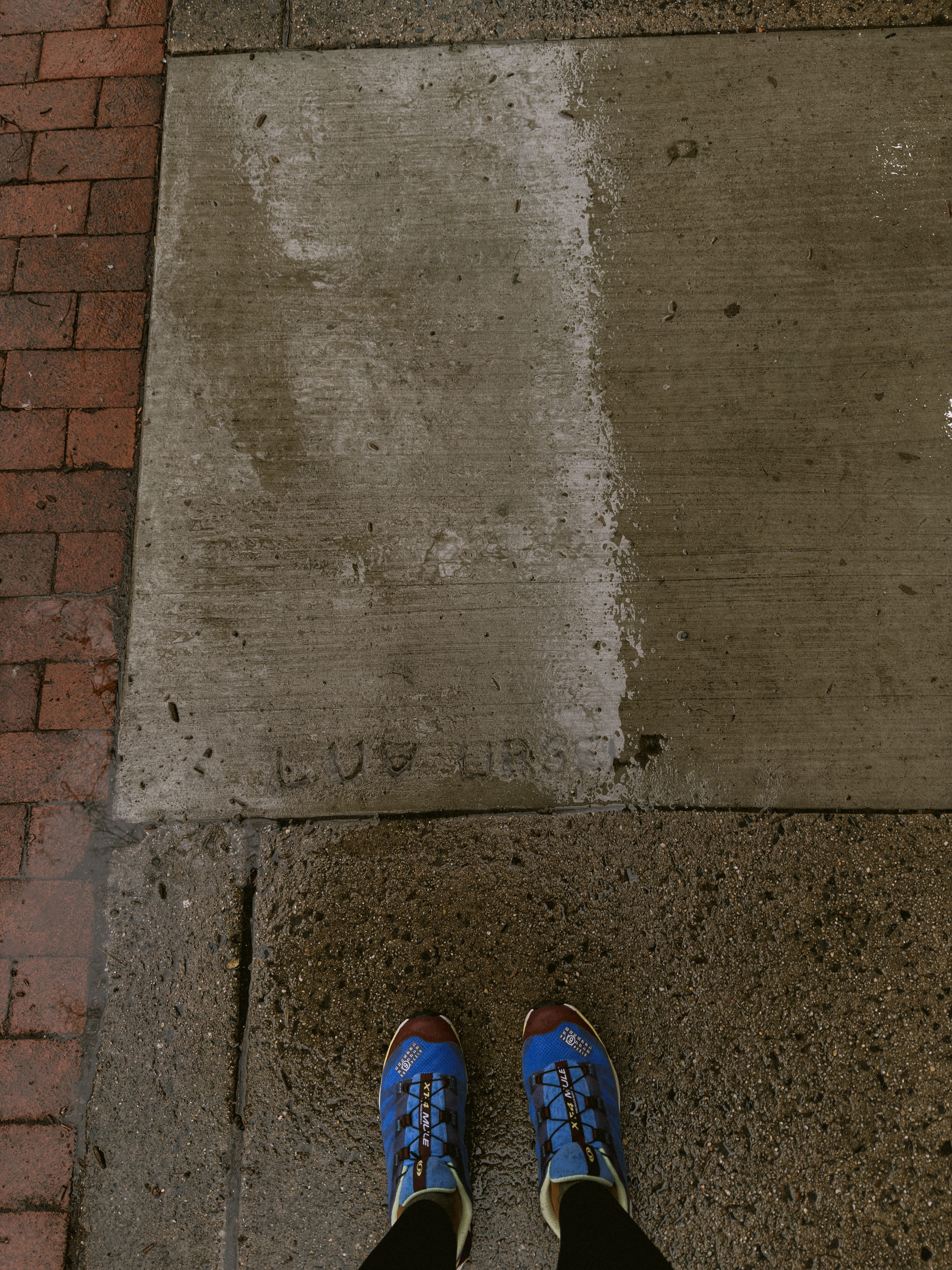
Ending a friendship doesn’t always mean something went wrong—ending any relationship, for that matter. And I know that is really hard for us to reckon with, because we are taught that things have to explode to be s dissolved. However, sometimes it means something has been completed—finished. A chapter closed without needing to burn the book. And being able to say: I’m allowed to respond to what’s real instead of waiting for a crisis to justify myself.
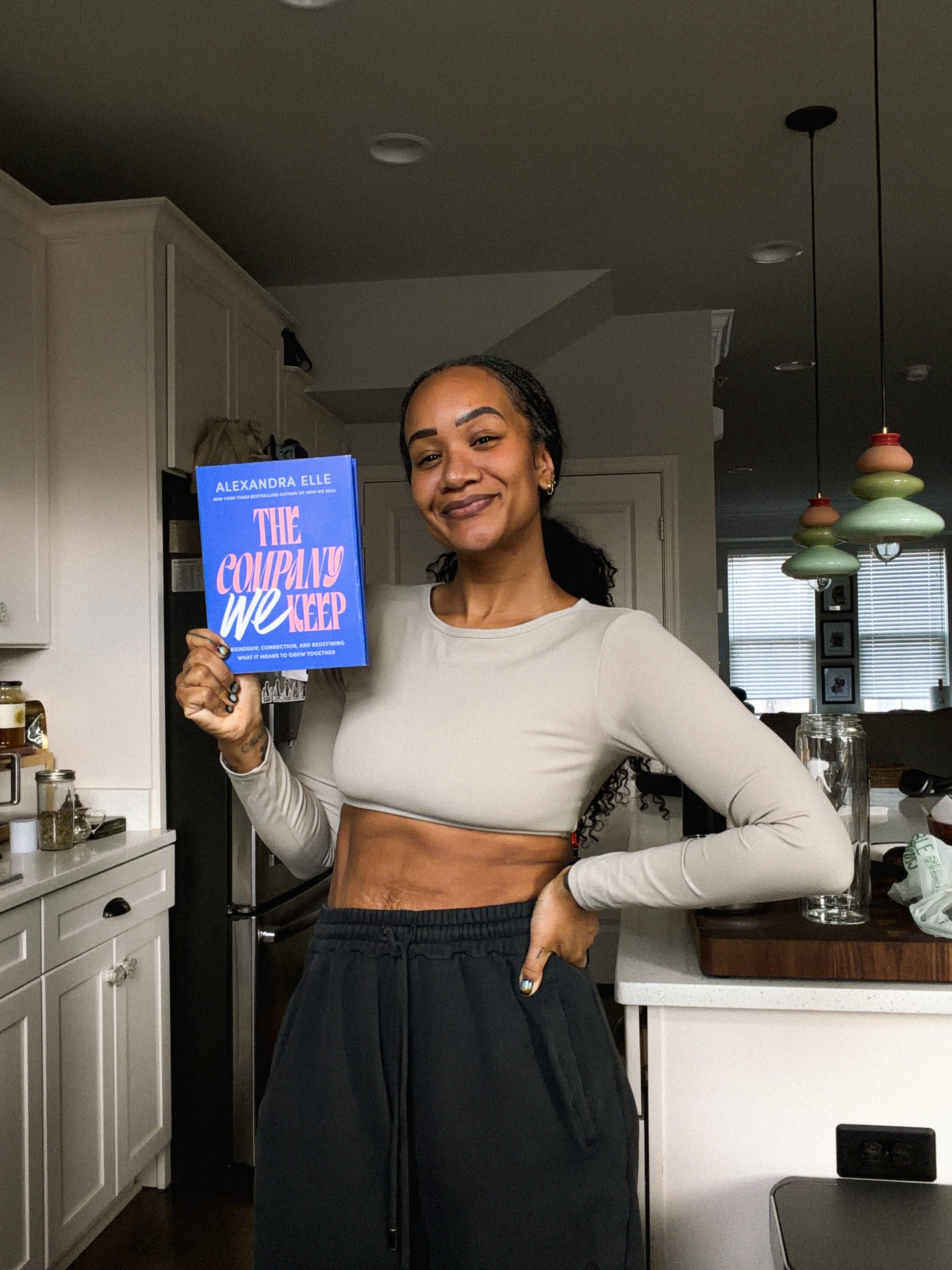
In my new book The Company We Keep, I lean into this kind of truth a lot. The kind that centers self-responsibility over blame. I write about how the relationships we keep shape us, but also how we shape ourselves by what we tolerate, explain away, or override in the name of connection. I explore what it means to learn when loyalty turns into self-erasure. I lean into choosing care that doesn’t require you to leave yourself behind.
I think it’s important to note that there’s a specific kind of grief that comes with endings like this, the ones that don’t have a big explosion. It’s also important to look at how you can miss someone and still know you can’t return to the version of yourself you were in that dynamic. You can honor what was without reopening what no longer fits. And we need to also understand our grief. That grief doesn’t need fixing—it needs space—it means witnessing.

We’ve been taught that meaningful connections should last forever. But growth doesn’t work that way, and we know it. Neither does self-respect. Some relationships are meant to walk with you for a stretch—and some are meant to end once you’ve learned how to listen to yourself and others.
If you’re sitting with an ending that didn’t explode, didn’t implode, didn’t leave wreckage behind—trust that. Trust that you don’t need chaos to legitimize clarity. Trust that choosing yourself doesn’t require proof, or permission, or a dramatic ending.
Not every ending is a breakdown.
Not every goodbye is abandonment.
Sometimes it’s just care—expressed in its most honest and humbling form.
Does it make endings easy? No.
But it does bring a different sort of consideration and clarity to the surface of our lives and of our healing.
Journal Qs:
• Where in your life are you pushing past saying no because staying feels easier than choosing differently?
What does/will that yes cost you?
• What signals has your body been sending that you’ve been explaining away?
Tightness. Fatigue. Irritation. Numbness. What might those sensations be asking you to acknowledge?
• What are you maintaining out of habit rather than desire?
If no one needed an explanation from you, what would you let change?
• Where are you asking yourself to be smaller, quieter, or more patient than is actually required?
What part of you is tired of waiting to be taken seriously?
• What would it look like to trust your own clarity before things fall apart?
What choice feels honest—even if it feels unfamiliar?
Gentle Reminder:
You don’t have to answer all of this today.
You don’t have to act immediately.
This isn’t about rushing an ending or forcing a decision.
It’s about noticing.
It’s about listening.
It’s about choosing to stay connected to yourself as you move forward.

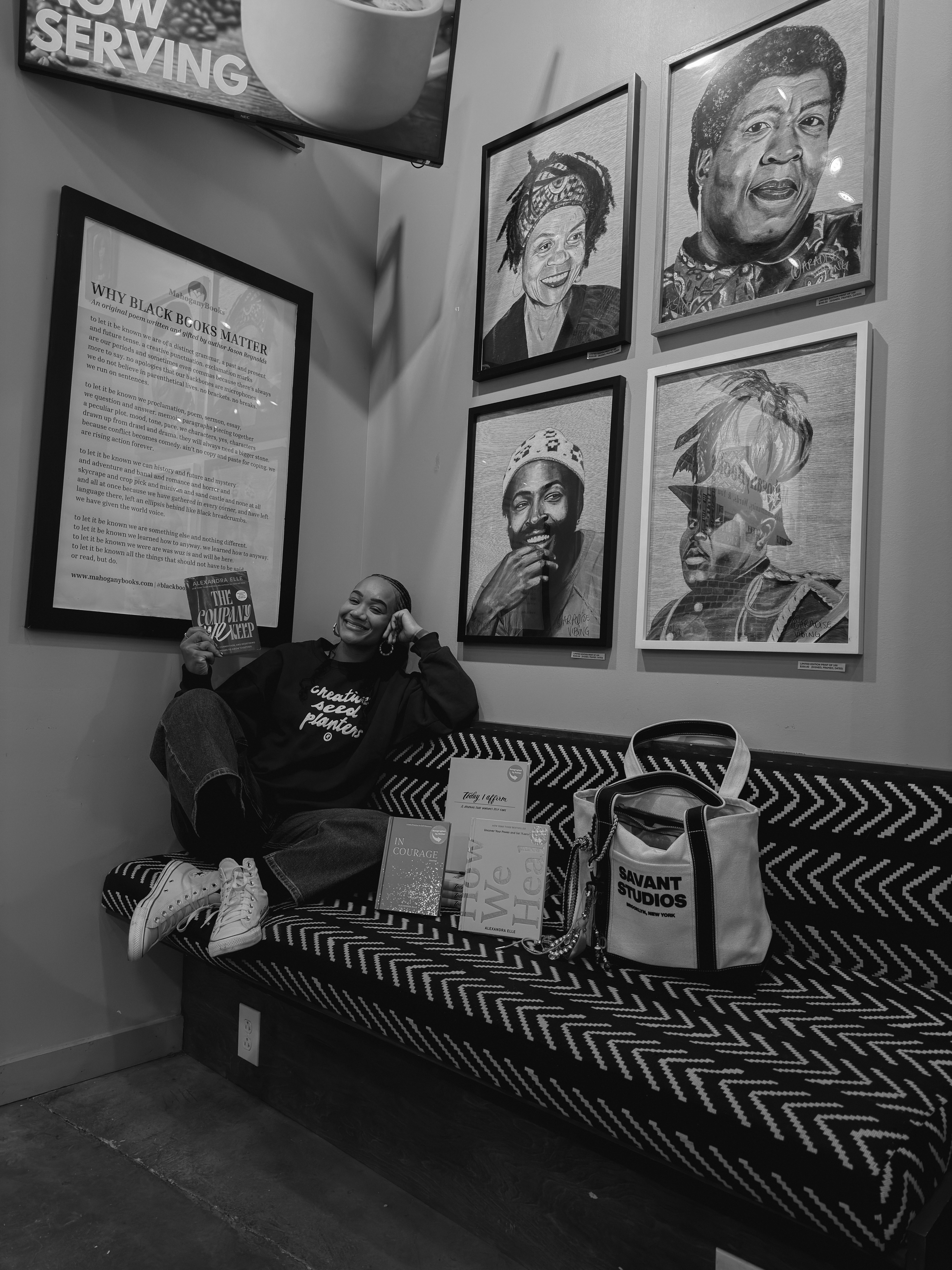
This newsletter is free for the community. If you’d like to support my work, please consider subscribing, sharing, commenting, and/or ordering my new book: THE COMPANY WE KEEP. Your support helps me continue creating honest, restorative writing and conversations that center growth, accountability, and connection. Thank you for being here with me.
Beautiful essay--and thank you so much for keeping your Substack free. I particularly love these questions:
"Does this relationship make room for who I’m becoming—or only who I’ve been all these years?
Am I choosing this connection, or just maintaining it?"
And...the wallpaper in your living room is extraordinary.....
Thank you for this thoughtful piece. I’m going through a long time friend breakup right now, quietly. It’s felt so good and right for me giving myself the space and time to walk away without an explosion.